Article content
Here is your full proof plan to get ready for your first social dancing experience! It took me forever before I had enough courage and felt ready to go social dancing but I’m going to break it down for you! All of the things I wish someone would have told me sooner!
Social dancing typically takes place in casual, welcoming environments such as dance studios, clubs, community centers where dancers of all levels gather to share the floor with partners, moving to live or DJed music. The focus is on lead-follow dynamics, improvisation, and having fun, making it a refreshing departure from the formal dance training in dance classes or performance team rehearsals.
Step 1: Choosing the Right Social Dance Event
Your social dance journey starts with picking an event that matches your style, personality, and comfort level.
Research Local Dance Scenes
- Explore Dance Styles: If you’re new to social dancing, look into the most popular styles in your area. Salsa, bachata, and west coast swing are often beginner-friendly due to their popularity and accessible basics. If you enjoy more structured elegance, tango or ballroom might be your fit.
- Check Community Resources: Use Meetup, Eventbrite, or local dance studio websites to find events. Social media groups (Facebook, Instagram, or X/Twitter) often post about “salsa nights,” “swing socials,” or other themed evenings.
- Look for Beginner-Friendly Events: Many socials include a 30–60 minute introductory lesson before open dancing which are perfect for newcomers to learn basic steps and etiquette. Look for event titles like “Intro to Salsa” or “Beginner Ballroom Night.”
Consider the Venue and Vibe
- Clubs vs. Studios vs. Community Centers: Clubs (e.g., Latin nights) are energetic but can feel overwhelming for first-timers. Studios and community centers usually offer more calm beginner-friendly environments.
- Live Music or DJ: Live bands bring lots of energy but may play faster tempos and longer songs. DJed events often provide a varied mix and more predictable pacing which is helpful for your first outing.
- Dress Code: Ballroom and tango events sometimes lean semi-formal, while salsa and swing are often casual. Always check event descriptions or confirm with organizers.
Start Small
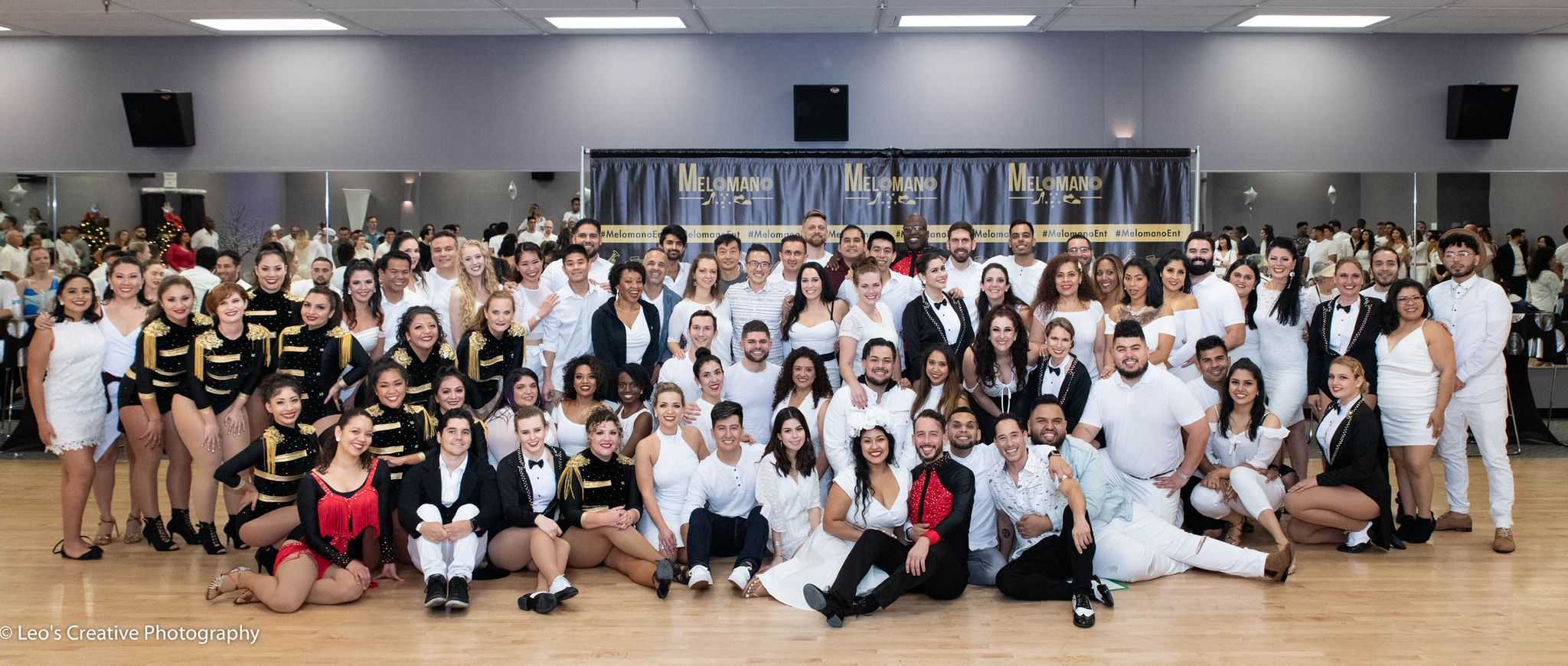
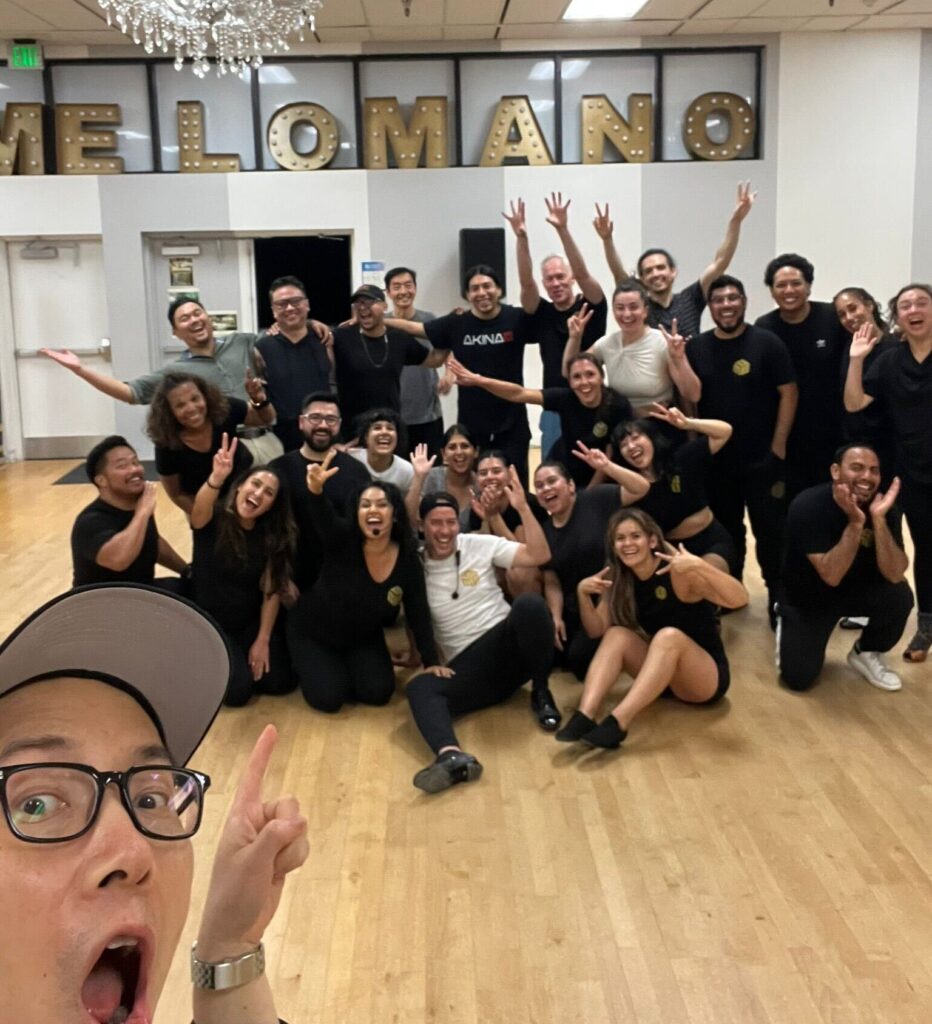
If large crowds intimidate you, begin with smaller gatherings like a studio’s monthly social or a local “practice party.” For example, Melómano hosts a Monday night mini practice social right after class, giving students a chance to apply what they just learned in a real setting. It’s been a big hit with newcomers!
Step 2: Mental Preparation for Your First Social Dance
Embrace the Learning Curve
Social dance is about connection, not perfection. Everyone starts as a beginner and mistakes are simply part of the journey. It’s ok to make mistakes! By the time it happened we are already moving on to the next move, just smile and keep it going 🙂
Shift from Performance to Play
Think less about “performing” and more about sharing a moment with your partner. Let the music guide you, and treat it as a playful exchange rather than a test.
Manage Nerves
- Visualize Success: Picture yourself smiling, moving confidently, and enjoying the music.
- Set Realistic Goals: Aim to try a few dances, meet some people, and have fun!
- Practice Self-Compassion: If you miss a step, laugh it off. Most dancers will appreciate your willingness to participate.

Learn Basic Etiquette
- Asking for a Dance: It’s customary to ask, “Would you like to dance?” or “May I have this dance?” Both men and women can ask, regardless of lead/follow roles. Make sure to approach from the front view when asking for a dance.
- Accepting or Declining: If you accept, smile and join your partner. If you need a break, politely decline with, “Thank you, maybe later.” Avoid rejecting someone and immediately dancing with another person, as this can feel rude.
- During the Dance: Maintain a friendly demeanor, even if the dance isn’t perfect. Thank your partner afterward, e.g., “Thanks for the dance!”
- Hygiene: Bring mints, deodorant (here is our recommendations for Men and Women), and a small sweat absorbing towel to freshen up, as social dancing involves close contact.

Step 3: Physical Preparation
Learn the Basics
Take a classes beforehand to get comfortable with fundamental steps:
- Salsa: Basic forward/back step, cross-body lead, right turn.
- Swing: 6-count basic, underarm turn, side pass.
- Tango: Walking step, embrace, side step.
- Bachata: Basics Step, box step, inside turn.
Also, practice timing and listen to songs in your chosen style and step to the beat.

Choose the Right Outfit
- Clothing: Breathable, fitted enough to move freely. Women put on anything you feel good moving in; dresses or skirts that flare are great for spins (but wear shorts underneath). Men go with slacks or chinos which work well (avoid sweatpants).
- Shoes: If possible, wear dance shoes (suede soles for ballroom for men, low-heeled Latin shoes for women). If not, choose smooth-soled shoes; avoid sneakers with too much grip.
- Accessories: Minimal jewelry. Bring a small bag for water, mints, and possibly a change of shirt.
Warm Up and Hydrate
- Dynamic Stretching: 5–10 minutes of leg swings, arm circles, and hip rotations.
- Core Activation: Light planks or pelvic tilts to stabilize your frame.
- Hydration: Drink water throughout the day. Avoid heavy meals or too much alcohol before dancing.

Step 4: What to Expect at the Social Dance
Arrival and Check-In
- Timing: Arrive early, especially if there’s a beginner lesson. Early arrival lets you scope out the space and meet people.
- Check-In: Most events require a cover fee for entrance. Bring cash if possible as a venue may not accept cards for payment. You can also ask ahead of time which methods of payment are accepted.
- Orientation: If it’s your first time, introduce yourself to the organizer or instructor. They can point you to beginners or pair you with a friendly dancer.
The Beginner Lesson
- Structure: The lesson typically covers 1-2 basic steps, a simple turn, and partner connection. Instructors rotate partners to help you practice with different people.
- Your Role: Focus on the lead-follow dynamic, which differs from solo or choreographed dancing. If you’re leading, practice clear signals; if following, stay responsive to cues but do not do the moves for your leader.
- Ask Questions: Don’t hesitate to ask the instructor for clarification, e.g., “How do I signal a turn?” or “Where should my hands be?”
The Social Dance
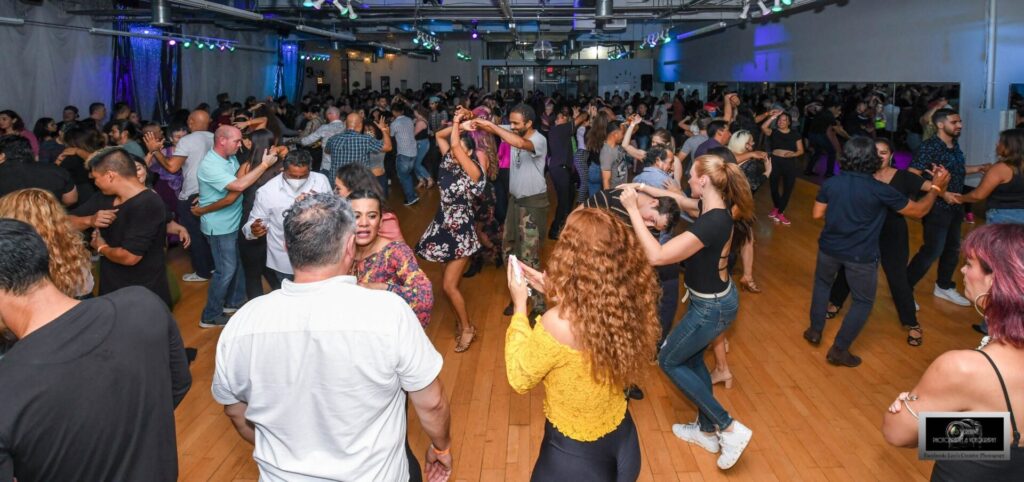
- The Floor: The dance floor is open to all, with couples moving in a line of dance (counterclockwise for ballroom) or freely (for Latin or swing). Most importantly, watch where you are dancing so you do not collide with other dancers.
- Dancing with Others: You’ll dance with multiple partners over the night, with each song lasting 3-5 minutes. Don’t worry if you only know basic steps, most partners are happy to keep it simple.
- Breaks: Take breaks to rest, hydrate, or observe. Watching others can help you pick up moves and understand the dynamics.
- Vibe: The atmosphere is usually warm and inclusive. Smiles, laughter, and encouragement are common, even if someone misses a step.
Common Challenges
- Mismatched Skill Levels: You may dance with someone more or less experienced. Adjust by keeping moves simple or following their lead.
- Crowded Floor: Busy floors can feel overwhelming. Stay aware of your surroundings to avoid collisions, and stick to smaller steps if space is tight. Dancing on the floor perimeter may reduce the likelihood that you will get stepped on.
- Rejection: If someone declines your invitation, don’t take it personally, they may be tired or waiting for a specific partner. Move on and ask someone else.
Step 5: Tips for a Successful First Social Dance
Build Confidence
- Stick to the basics—you’ll still look polished if your timing and posture are good.
- Smile and maintain friendly eye contact.
Navigate Partner Dynamics
- Decide whether to lead, follow, or try both.
- Use gentle, clear signals.
- Stay patient—focus on enjoying the music.
Stay Engaged with the Community
- Introduce yourself, especially if it’s your first time.
- Observe advanced dancers for styling ideas.
- Chat during breaks to make connections. One of my favorite questions when I started social dancing was, “Where else do you dance?” It was a perfect icebreaker to discover new dance spots in the community. Without fail, it sparked conversations that led to plans to meet up at those venues. The best part? I’d always know at least one familiar face would be there, making every new dance adventure feel welcoming and fun!
Care for Your Body
- Pace yourself—socials can last hours.
- Rest every few dances.
- Stretch and hydrate afterward to speed recovery.
Step 6: Reflect and Plan Ahead
After your first social, ask yourself:
- What Went Well? Celebrate moments of connection or improvement.
- What Could Improve? Identify areas to work on.
- Next Steps: Join a class, attend another social, and connect with local dance communities online.
Consider keeping a dance journal for progress tracking and memorable moments.

Sample Preparation Checklist
One Month Before
- Research dance styles and events.
- Sign up for a beginner class.
- Consider a private lesson.
One Week Before
- Confirm event details.
- Practice basics with music.
- Choose your outfit and shoes.
Day Before
- Light warm-up and partner connection practice.
- Pack essentials (water, mints, towel, spare shirt).
- Visualize a positive night.
Day Of
- Eat a light meal 2–3 hours before.
- Arrive early for the lesson.
- Smile, introduce yourself, and dive in!
Why Social Dancing Is Worth It
Social dancing connects people through music, movement, and shared joy. It’s a chance to grow as both a dancer and an individual. The spontaneity sparks creativity, and the community offers warmth and encouragement.
Your first social may feel intimidating, but with preparation, an open mind, and a willingness to enjoy the moment, you’ll discover why so many dancers see it not just as an activity, but as a way of life!